





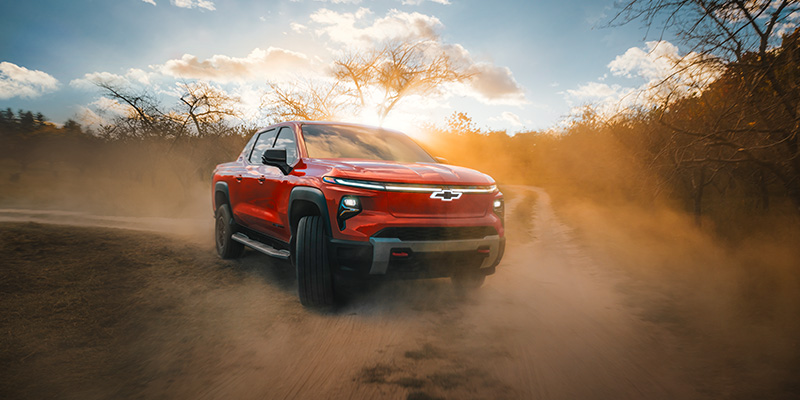
As the automotive industry evolves, drivers are increasingly exploring the differences between electric vehicles (EVs) and traditional gas-powered vehicles. Both options offer unique advantages depending on driving habits, lifestyle, and long-term goals. At Diane Sauer Chevrolet in Warren, OH, many customers are curious about how electric vehicles compare to gasoline-powered models when it comes to performance, cost, maintenance, and everyday convenience.
Understanding the key differences between EVs and gas vehicles can help drivers make a more informed decision about which option best fits their needs.
How Gas-Powered Vehicles Work
Gas-powered vehicles have been the standard in the automotive industry for over a century. These vehicles rely on an internal combustion engine that burns gasoline to produce energy. When fuel ignites inside the engine’s cylinders, it creates controlled explosions that power the vehicle and move it forward.
Gas vehicles typically offer strong performance and long driving ranges. Refueling is also quick and convenient since gas stations are widely available. Drivers can fill up their tanks in just a few minutes and continue their trip without much interruption.
Because of this long-standing infrastructure, gas-powered vehicles remain a reliable choice for drivers who frequently travel long distances or live in areas where charging stations may be limited.
However, gasoline engines contain many moving parts and complex mechanical systems. This means they require regular maintenance such as oil changes, transmission servicing, and exhaust system repairs.
How Electric Vehicles Work
Electric vehicles operate very differently. Instead of burning fuel, EVs use electric motors powered by rechargeable battery packs. These batteries store energy that powers the motor and moves the vehicle.
One major advantage of EVs is efficiency. Electric motors convert a higher percentage of energy into motion compared to internal combustion engines. This means EVs can deliver quick acceleration and smooth performance with fewer mechanical components.
Charging an electric vehicle typically happens at home using a Level 1 or Level 2 charger, or at public charging stations located in shopping centers, workplaces, and along major highways.
Modern EVs also feature regenerative braking, a technology that captures energy when the driver slows down and sends it back to recharge the battery.
Performance Differences
Performance is one area where electric vehicles often surprise drivers. Because electric motors deliver instant torque, EVs can accelerate quickly and smoothly. This creates a responsive driving experience that many drivers enjoy.
Gas-powered vehicles, on the other hand, rely on engine speed and transmission shifts to generate power. While they can still offer strong performance—especially with powerful engines—the acceleration process is typically more gradual compared to electric vehicles.
Many drivers in Warren appreciate that EVs provide a quiet and smooth ride, while gas vehicles often deliver the traditional engine sound and feel that some drivers prefer.
Cost Considerations
When comparing EVs and gas vehicles, cost is an important factor.
Gas vehicles generally have a lower initial purchase price and remain widely available in many vehicle segments. However, drivers must consider the long-term cost of gasoline, which can fluctuate depending on market conditions.
Electric vehicles often have a higher upfront price due to battery technology, but they can save drivers money over time. Electricity typically costs less per mile than gasoline, and EV owners may also qualify for federal or state incentives that help offset the purchase price.
Additionally, charging an EV at home can be much cheaper than filling up a gas tank regularly.
Maintenance Differences
Maintenance is another major difference between electric and gasoline vehicles.
Gas-powered vehicles require routine services such as:
Oil changes
Spark plug replacement
Timing belt maintenance
Exhaust system repairs
Electric vehicles have fewer moving parts and do not require oil changes. This can significantly reduce maintenance needs over time.
EVs still require routine services like tire rotations, brake inspections, and battery system monitoring, but overall maintenance tends to be simpler.
Environmental Impact
Electric vehicles are often viewed as the more environmentally friendly option because they produce zero tailpipe emissions. This helps reduce air pollution and greenhouse gas emissions.
Gas vehicles, while improving in fuel efficiency and emissions control, still rely on burning fossil fuels.
For drivers interested in reducing their environmental impact, EVs offer an appealing alternative.
Range and Charging vs Refueling
One of the biggest differences between EVs and gas vehicles is how they are powered on long trips.
Gas vehicles typically offer longer driving ranges and quick refueling at any gas station.
Electric vehicles continue to improve in range, with many modern models offering 250 to 350 miles of driving on a single charge. Charging infrastructure is expanding across the country, making EV travel more convenient than ever.
Still, charging takes longer than filling a gas tank, so planning ahead is often necessary for longer road trips.
Choosing the Right Vehicle for Your Lifestyle
Both electric and gas vehicles offer benefits depending on how you drive and what you value most in a vehicle.
Gas vehicles remain a great option for drivers who want long driving ranges and fast refueling. Electric vehicles offer impressive performance, lower operating costs, and reduced environmental impact.
For drivers in Warren, OH, the best choice often depends on daily commuting habits, access to charging, and personal driving preferences.
At Diane Sauer Chevrolet, our team is here to help customers explore both electric and gas-powered vehicles so they can find the model that fits their lifestyle best. Whether you’re considering a modern EV or a dependable gasoline vehicle, today’s automotive technology offers more choices than ever before.
Connect with us


